

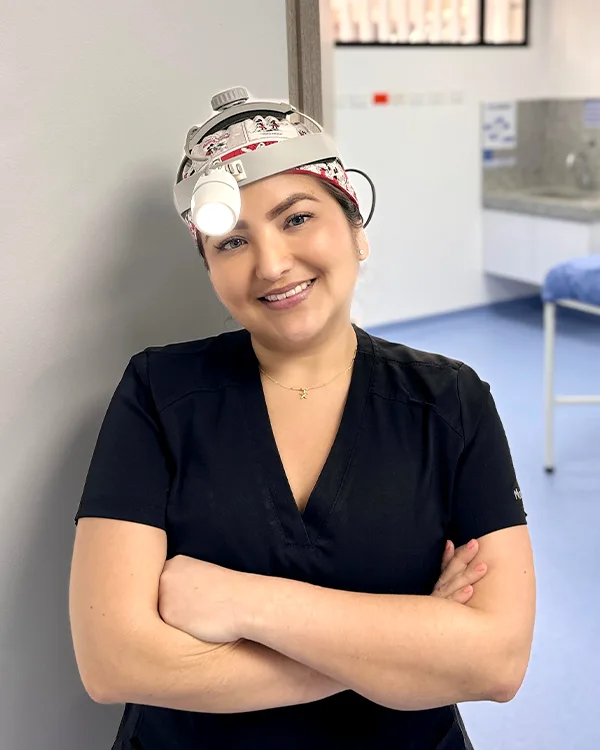
Meet Dr. Melissa Castillo, Hair Restoration Specialist
Dr. Melissa Castillo is a physician and surgeon who graduated from Javeriana University with specialized training in Medical Trichology and hair transplant surgery. Since 2018, she has focused on advanced hair restoration, helping patients address hair loss with personalized treatments and natural-looking results.
Every patient receives a thorough evaluation to determine the most appropriate solution based on their hair loss pattern, scalp condition, donor area and long-term goals. Dr. Castillo is personally involved in every stage of the process, including consultation, surgical planning, the hair transplant procedure and postoperative follow-up, ensuring attentive care throughout the treatment journey.
Using advanced FUE hair transplant in Colombia, she carefully designs each procedure to achieve balanced hair density and a natural appearance that complements the patient’s facial features. Her goal is to restore not only hair but also confidence, helping every patient enjoy results that look authentic and last for years.
Personalized Hair Loss Treatments
Hair loss does not look the same in every patient. Some people notice gradual thinning at the crown. Others experience recession around the temples or a reduction in eyebrow or beard density. A personalized diagnosis helps identify the most suitable treatment.
Our hair restoration clinic provides hair transplant solutions for several areas:
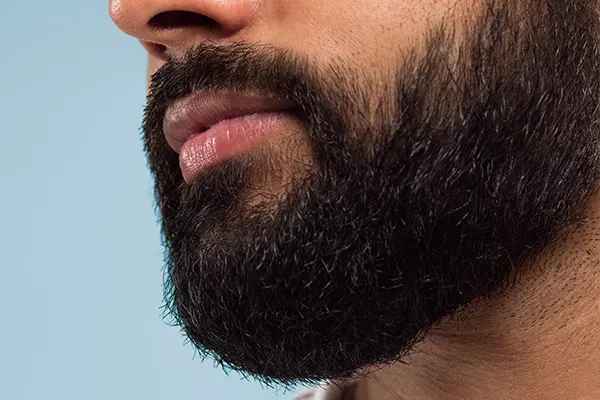
Beard Transplant
Beard transplant improves density in the cheeks, jawline, mustache or other areas with limited facial hair growth.
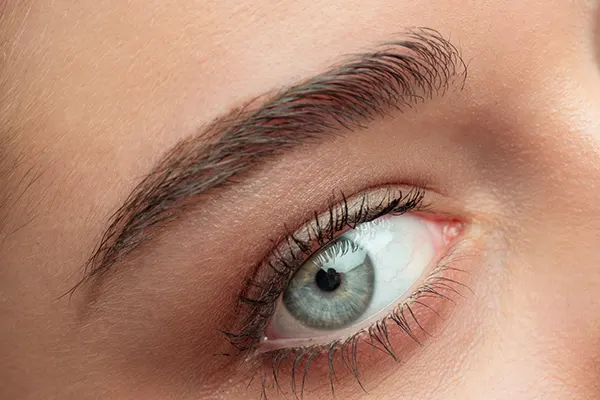
Eyebrow Restoration
Full, balanced eyebrows can enhance facial expression and create greater harmony between the eyes and other facial features. Hair transplantation helps patients with naturally sparse eyebrows, visible gaps or reduced density related to previous cosmetic procedures, scarring or follicular damage.
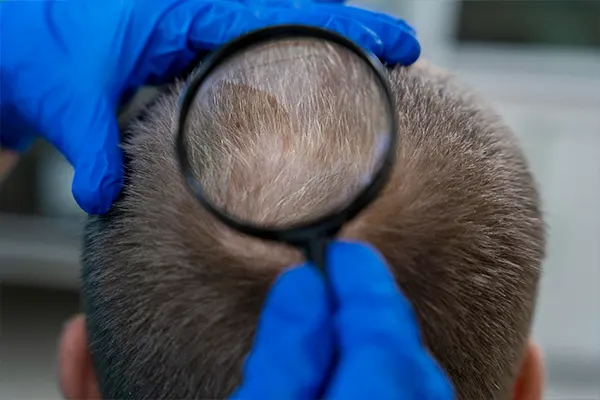
Crown Hair Transplant
The crown is a common area of concern for patients experiencing progressive hair loss. Reduced density in this region may become more noticeable under direct light or when the hair is wet.
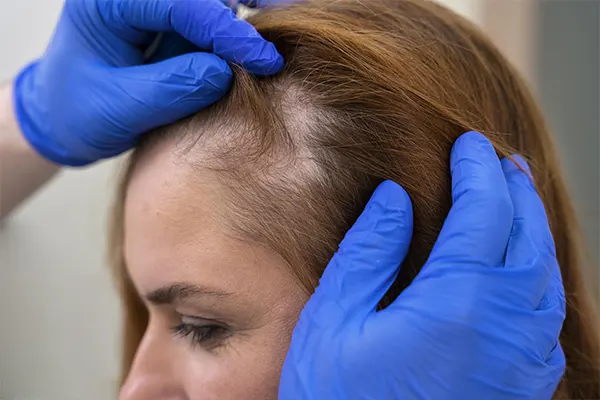
Hairline & Temple Restoration
Receding temples change the appearance of the hairline and create a more pronounced pattern of hair loss. Hair transplantation can restore density in this area when the patient is a suitable candidate.
Your Hair Transplant in Colombia, Step by Step
A well-organized process helps patients understand what to expect before, during and after treatment.
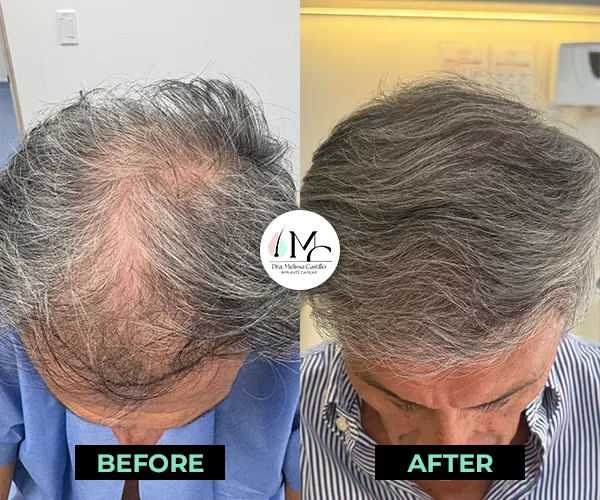
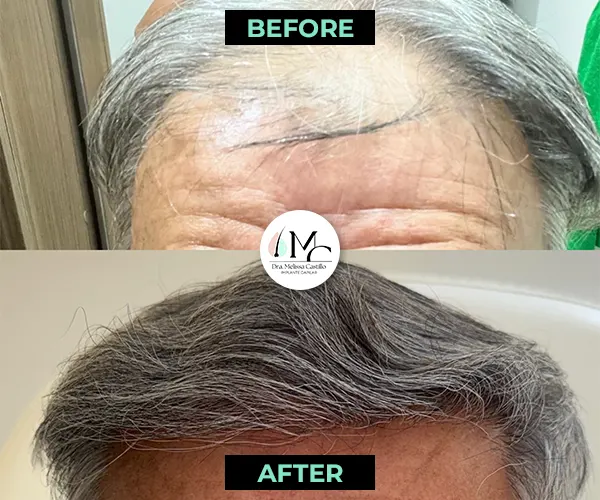
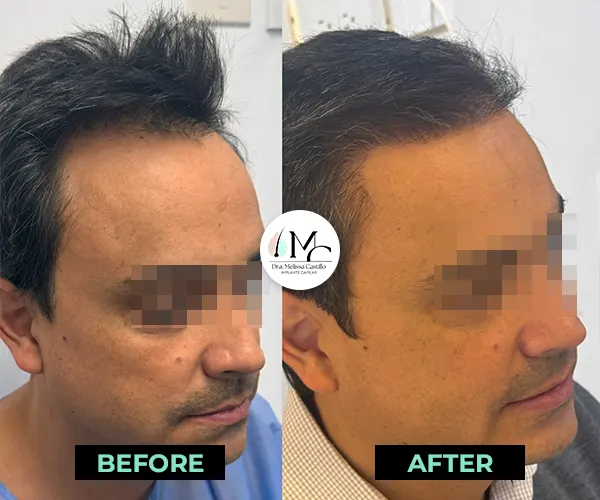
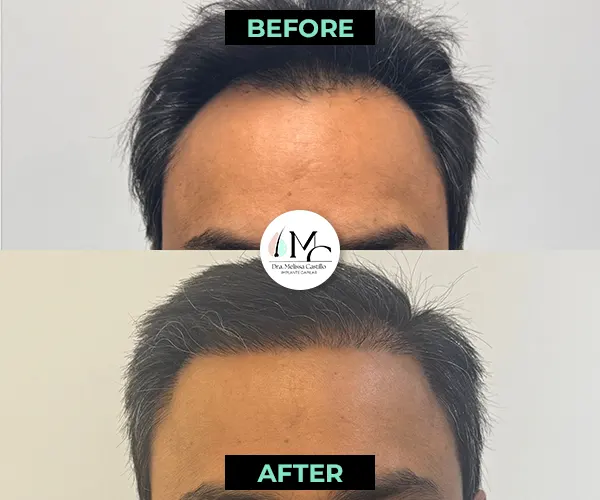
Real Transformations That Speak for Themselves
Every successful hair restoration surgery tells a story of renewed confidence.
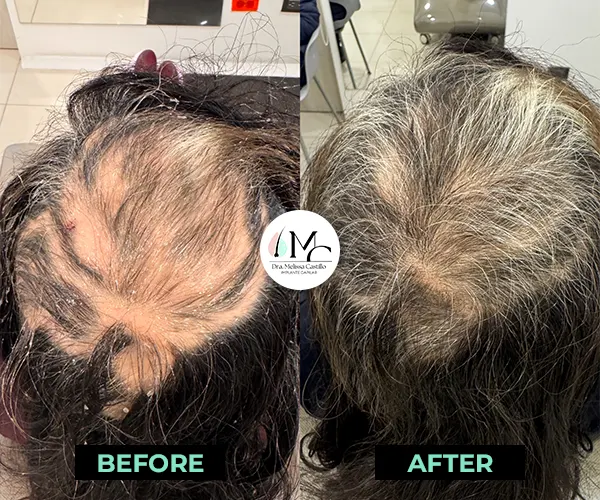
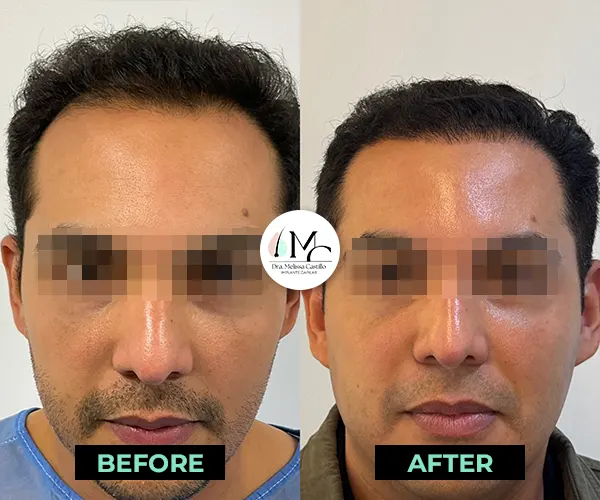
Our before-and-after results demonstrate how carefully planned FUE hair transplantation can restore natural density while maintaining harmony with your facial features. As transplanted follicles continue to grow over the months following surgery, patients notice progressive improvements in volume, coverage and overall appearance.
Each transformation is unique because every procedure is customized according to the patient’s age, hair characteristics, facial proportions and level of hair loss.
Patient Experiences That Tell the Story
Hair restoration has transformed the lives of countless patients who struggled with thinning hair, baldness or patchy facial hair.
Patients from around the world trust our clinic for personalized care, advanced FUE techniques and natural-looking results. Their stories reflect the confidence they have regained and the positive impact that expert hair restoration has had on their lives.
Every testimonial highlights our commitment to accurate diagnosis, individualized treatment planning and continuous support throughout the recovery process. These real experiences inspire us to deliver exceptional care to every patient who chooses Dr. Melissa Castillo for their hair restoration.
The FUE Hair Transplant Technique
Follicular Unit Extraction, commonly called FUE, is a modern hair transplant technique to transfer healthy follicular units into areas affected by hair loss.
During the hair transplant, individual follicular units are carefully extracted from a suitable donor area. These units may contain one or more hairs. The selected follicles are then prepared and placed in the recipient area according to the personalized surgical plan.
FUE does not involve removing a strip of scalp. Instead, individual follicular units are extracted using specialized instruments. The technique is associated with small extraction sites and can avoid the linear scar created by traditional strip procedures.
The treatment begins with a detailed evaluation of the donor area. Hair density, follicular quality, scalp characteristics and the patient’s long-term needs are considered before surgery.
The follicles are selected carefully to help preserve the appearance and health of the donor area. Proper donor management is important because excessive extraction can affect the available hair supply and the appearance of the donor region.
After extraction, the follicular units are maintained under controlled conditions while the recipient area is prepared. Small recipient sites are created according to the planned hair distribution.
The angle, direction, depth and spacing of each graft influence the final appearance. These details are especially important along the hairline, temples, eyebrows and beard.
Local anesthesia is used during the procedure. Patients remain awake and the medical team provides instructions throughout the treatment.
FUE can produce natural-looking and long-lasting results when it is performed with appropriate candidate selection, careful planning and skilled surgical technique.
FAQs: Hair Transplants in Bogota
What Is the Best Sleeping Position After Hair Transplant?
Your doctor may recommend sleeping with your head elevated during the first part of recovery. This can help reduce pressure on the treated area and support comfort.
Use the position and duration recommended in your personalized postoperative instructions. Avoid allowing the transplanted area to rub against bedding. Following these recommendations will promote a smooth healing process and protect your newly transplanted follicles.
How Long Should I Wait Before Visiting the Beach or Swimming?
Sun exposure, swimming pools and beach environments should be avoided until your doctor confirms that the treated areas have healed sufficiently.
The appropriate waiting period depends on your recovery. Ask Dr. Castillo for personalized guidance before planning these activities. Protecting your scalp during the early healing phase is essential for achieving the best possible results.
Is A FUE Hair Transplant Painful?
Local anesthesia is used during the procedure to reduce discomfort. Patients may experience pressure or mild sensations during certain stages.
Temporary tenderness or discomfort can occur after surgery. The clinic provides postoperative recommendations and may prescribe appropriate medication when medically indicated. Most patients find the recovery process comfortable and can manage any temporary discomfort with ease.
When Can I Return to Work and Normal Activities?
Recovery times vary. Some patients return to light daily activities within several days, while others prefer more time for healing.
Travel, work, exercise and other activities should be resumed according to the instructions provided by Dr. Castillo. Strenuous exercise may need to be postponed during the early recovery period. Carefully following your postoperative instructions supports a safe recovery and optimal hair growth.
Can Transplanted Hair Fall Out Permanently?
The transplanted hairs may go through a temporary shedding phase after the procedure. This does not necessarily mean that the follicle has been lost.
The transplanted follicles are selected because they are generally more resistant to the pattern of hair loss affecting the recipient area. However, individual outcomes vary, and the patient’s existing non-transplanted hair may continue to thin over time.
As the healing process continues, new hair typically begins to grow naturally from the transplanted follicles.
Is Hair Transplantation an Option for Women?
Yes. Women experiencing certain types of hair loss may be candidates for hair transplantation.
A detailed diagnosis is essential because the cause and pattern of hair loss can differ. Dr. Castillo evaluates scalp health, donor density and the characteristics of hair loss before recommending treatment. A personalized evaluation helps determine the most effective hair regrowth procedure for your specific type of hair loss.
How Many Hair Transplant Sessions Will I Need?
The number of sessions depends on several factors, including the size of the treatment area, the degree of hair loss, donor availability, hair characteristics and the desired level of coverage.
Some patients achieve their treatment goals with one procedure. Others may require an additional session or complementary treatment. Your treatment plan will be carefully designed to provide the most natural-looking and long-lasting outcome possible.
Restore your hair with Dr. Melissa.
Contact us for an accurate assessment of your hair condition.